
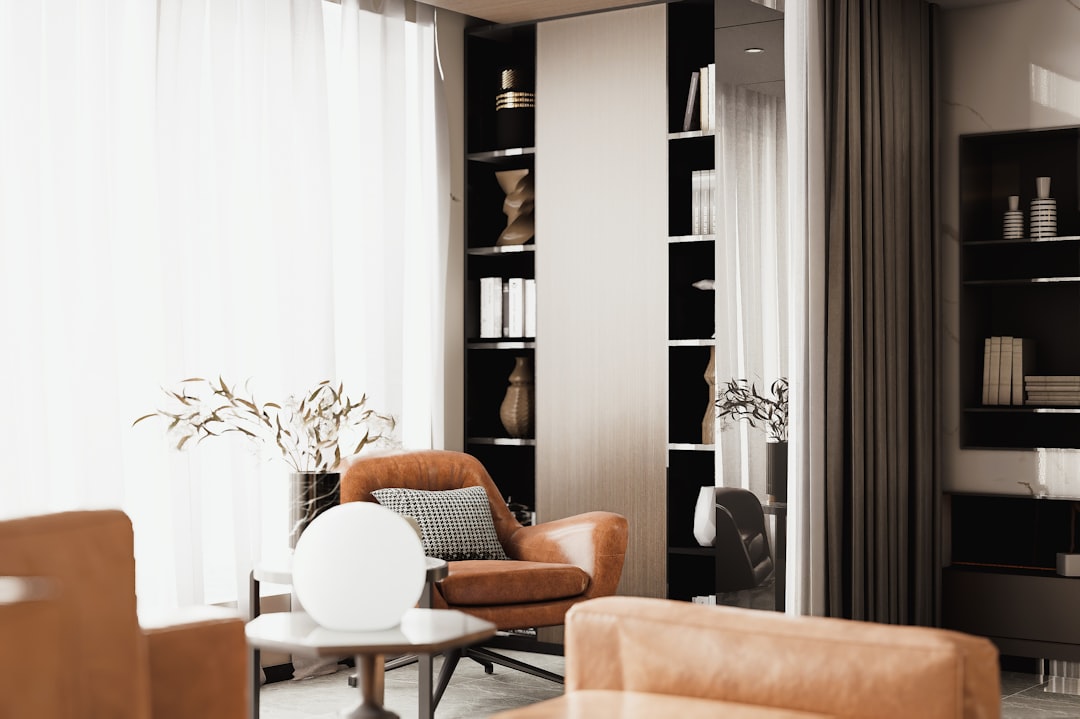
10 Essential Tips for Stylish Home Interior Design
Creating a stylish home interior is more than just choosing the right colors or furniture; it’s about creating a space that reflects your personality and meets your needs. Whether you are starting from scratch or looking to refresh your existing decor, understanding the fundamentals of interior design can make a significant difference. This article will provide you with ten essential tips that will help you achieve a stylish and functional home interior.
Understand Your Space
Before diving into design choices, take the time to understand the layout and dimensions of your space. Measure your rooms and consider how you use each area. This understanding will guide your decisions on furniture size, placement, and overall flow. A well-planned space ensures that your home feels open and inviting rather than cramped and chaotic.
Additionally, consider the natural light in each room. Rooms that receive ample sunlight can handle darker colors and heavier fabrics, while smaller or darker spaces may benefit from lighter colors and airy materials. By assessing your space thoroughly, you can make informed decisions that enhance both aesthetics and functionality.
Define Your Style
Your home should be a reflection of your personal style. Take the time to define what that style is—whether it’s modern, traditional, eclectic, or minimalist. Look for inspiration in magazines, online platforms, or even in nature. Collect images and ideas that resonate with you, and create a mood board to visualize your desired aesthetic.
Once you have a clear vision, it becomes easier to make cohesive design choices. This includes selecting colors, materials, and furnishings that align with your style. A well-defined style not only enhances the beauty of your home but also creates a sense of harmony throughout your space.
Choose a Color Palette
Color plays a crucial role in interior design, influencing mood and perception. Start by selecting a primary color that will serve as the foundation for your space. From there, choose complementary colors for accents and furnishings. A well-thought-out color palette can unify different areas of your home and create a seamless flow from room to room.
Consider the psychology of colors when making your selections. For example, blues and greens are calming, making them ideal for bedrooms, while yellows and oranges can energize a space, perfect for kitchens or playrooms. By carefully selecting your color palette, you can enhance the overall ambiance of your home.
Invest in Quality Furniture
When it comes to furniture, quality matters. Investing in well-made pieces not only ensures longevity but also enhances the overall aesthetic of your home. Look for furniture that is both functional and stylish, and consider timeless designs that won’t go out of fashion. Custom furniture design can also be a great option, allowing you to create pieces that fit your specific needs and style.
Additionally, consider the scale of your furniture in relation to your space. Oversized furniture can overwhelm a small room, while too-small pieces can make a large space feel empty. Striking the right balance is key to achieving a stylish and comfortable home.
Accessorize Thoughtfully
Accessories are the finishing touches that bring your design together. From decorative wall art installation to throw pillows and rugs, these elements add personality and warmth to your space. However, it’s important to accessorize thoughtfully—too many items can create clutter and detract from your overall design.
Select accessories that complement your color palette and style. Consider incorporating a mix of textures and materials to add depth and interest. Remember, less is often more, so choose a few standout pieces that truly resonate with you.
Lighting Matters
Lighting is a critical aspect of interior design that is often overlooked. A well-lit room can enhance the mood and functionality of the space. Consider a mix of ambient, task, and accent lighting to create a layered effect. This approach allows you to adjust the lighting based on the time of day and the activities taking place in the room.
Consulting with a lighting design expert can help you make informed choices about fixtures and placement. Proper lighting can highlight architectural features, artwork, and other design elements, making your home feel more inviting and stylish.
Step-by-step plan:
Step 1: Assess your space and define your needs. Step 2: Determine your personal style and create a mood board. Step 3: Choose a cohesive color palette for your home. Step 4: Invest in quality furniture and thoughtfully selected accessories.