
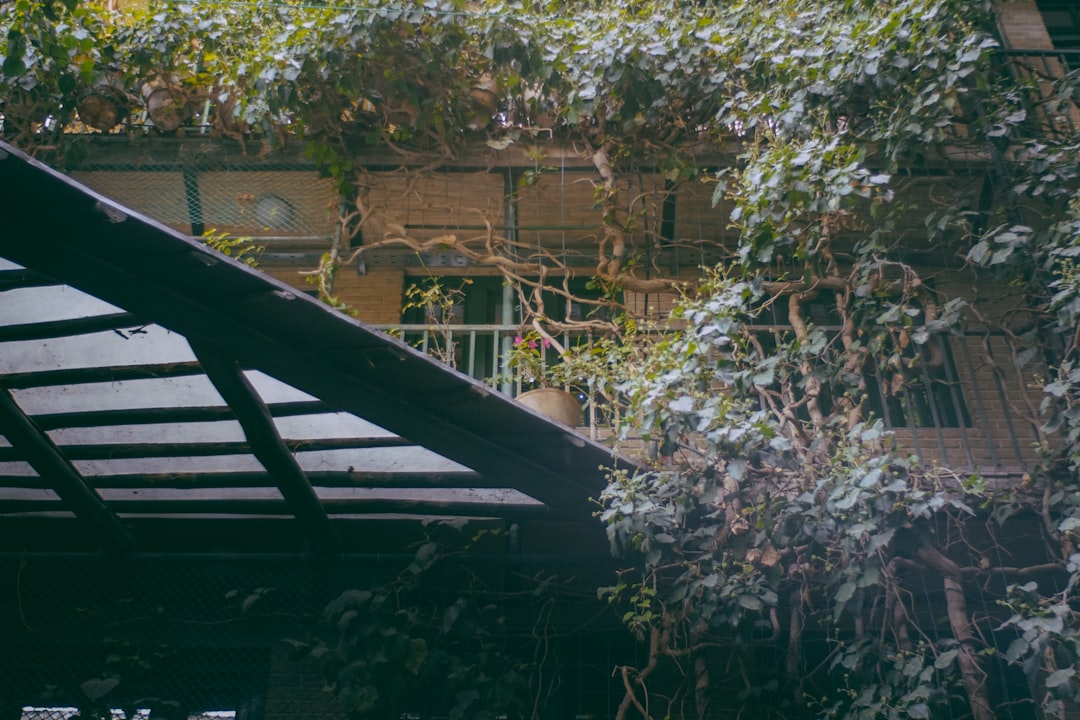
Embracing Nature: Biophilic Design Ideas for Your Home
Biophilic design is an innovative approach that seeks to connect our living spaces with the natural world. By incorporating elements of nature into our homes, we can enhance our well-being, reduce stress, and create a more harmonious environment. This article will explore various biophilic design ideas that can transform your home into a serene sanctuary, addressing common misconceptions while highlighting the benefits of this design philosophy.
Understanding Biophilic Design
Myth: Biophilic design is just about adding plants to your home. Truth: While plants are a significant aspect of biophilic design, it encompasses a broader range of elements that mimic nature. This includes natural materials, light, water features, and even colors that reflect the natural environment. By integrating these elements, you can create a space that feels alive and connected to the outdoors.
Biophilic design is rooted in the idea that humans have an innate connection to nature. This connection can be fostered through design choices that bring the outside in. For instance, large windows that frame views of trees or gardens can create a seamless transition between indoor and outdoor spaces. Additionally, using natural materials like wood, stone, and clay can evoke a sense of warmth and comfort, making your home feel more inviting.
Incorporating Natural Light
Myth: Natural light is only important for aesthetics. Truth: Natural light plays a crucial role in our physical and mental health. Exposure to natural light can improve mood, enhance productivity, and regulate sleep patterns. By maximizing natural light in your home, you can create a healthier living environment that promotes overall well-being.
Utilizing Natural Materials
Myth: Modern design is incompatible with natural materials. Truth: Modern design can beautifully incorporate natural materials, creating a balanced and harmonious aesthetic. Materials such as reclaimed wood, bamboo, and stone can add texture and warmth to contemporary spaces, making them feel more inviting and grounded.
When selecting materials for your home, consider their environmental impact as well. Sustainable options not only benefit the planet but also contribute to a healthier indoor environment. For example, low-VOC paints and finishes can improve air quality, while sustainably sourced wood can reduce deforestation. By choosing natural materials, you can create a space that is both stylish and eco-friendly.
Creating Indoor-Outdoor Connections
Myth: Indoor and outdoor spaces should be separate. Truth: Blurring the lines between indoor and outdoor spaces can enhance your living experience. By creating seamless transitions, you can enjoy the benefits of nature while still being indoors. This can be achieved through the use of sliding glass doors, outdoor living areas, and strategically placed windows that frame beautiful views.
Designing outdoor spaces as extensions of your indoor living areas can also encourage more time spent outside. Consider adding comfortable seating, outdoor kitchens, or fire pits to create inviting spaces for relaxation and entertainment. By fostering a connection with nature, you can enhance your overall quality of life and create a more enjoyable home environment.
Incorporating Water Features
Myth: Water features are only for outdoor spaces. Truth: Water features can be effectively integrated into indoor environments as well. The sound of flowing water can create a calming atmosphere, reduce stress, and improve focus. Indoor water features, such as fountains or aquariums, can serve as beautiful focal points while providing the soothing benefits of water.
When designing your home, consider adding a small indoor fountain or a wall-mounted water feature. These elements can enhance the ambiance of your space and promote relaxation. Additionally, incorporating water elements in your landscaping can create a tranquil outdoor environment that complements your indoor design.